
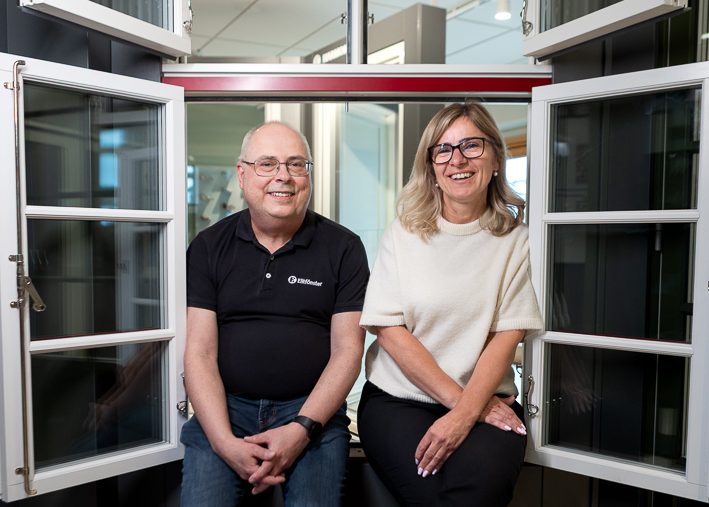
Elitfönster leads the way with a new generation of EPD tools
Why EPD tools are needed to manage more EPDs
For Elitfönster, this became particularly clear. The products are configurable in a very large number of variants, where the choice of glass, materials, and components can have a significant impact on the climate footprint. Traditional EPDs therefore became too blunt in relation to customer needs.
“Our products can be configured into an almost infinite number of variants. Many of these choices can have a significant impact on the products’ climate footprint, which means that using traditional EPDs becomes too blunt.”
Mats Brånäs, Certification and Testing Manager, Elitfönster
Together with Elitfönster, Miljögiraff has therefore developed a tailor-made EPD tool to meet exactly this type of need.
How EPD work is made more efficient in large product ranges
The goal has been to create a more scalable, user-friendly, and quality-assured way of producing and updating EPDs, without each declaration needing to be handled as a new consulting project. With the tool, the user can work in a structured workflow where relevant product data is entered, calculations are performed automatically, and the result becomes available directly in the tool.
“The time required to produce an EPD has been reduced from 3–4 months to about one hour.”
Mats Brånäs, Elitfönster
This makes it possible to evaluate new solutions in a short time — something that previously required consulting support and was both costly and time-consuming.
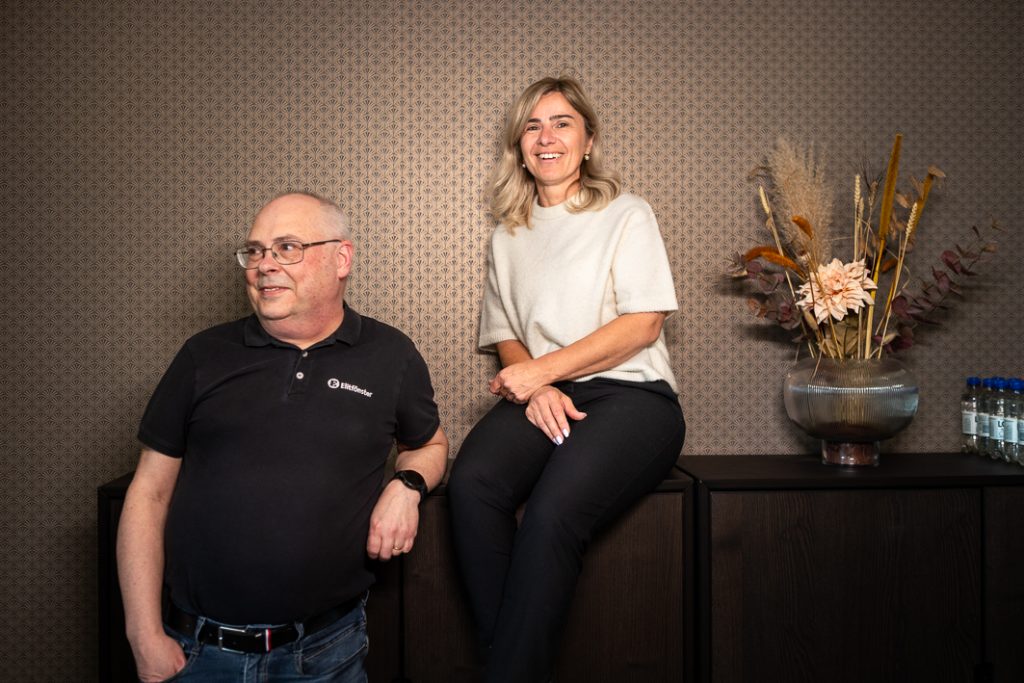
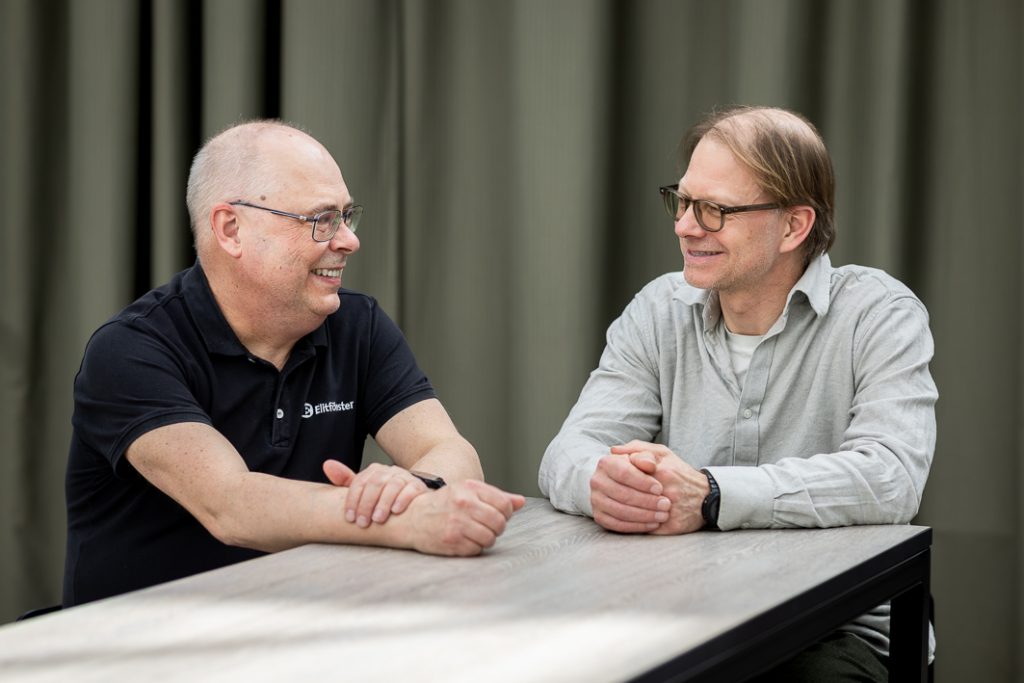
Mats Brånäs and Suzana Pilipovic at Elitfönster are the users of the EPD tool.
A tool that is easy to use and easy to get right
A crucial part of the solution is usability. The tool is specially adapted to Elitfönster’s conditions and built to work within its own operations. The user does not need to be an LCA expert to work in the tool. Instead, the work is guided through an interface where it is easy to enter data and find the right options.
To ensure quality, the tool is based on predefined choices adapted to Elitfönster’s products, materials, and processes. This makes it easier to get things right from the start.
A tool that strengthens internal capability
The tool makes it possible for more roles within the organization to work with climate data and EPD-related issues. Through different permission levels, even people who do not create EPDs themselves can use the tool in their daily work, for example in product development, strategic purchasing, or as sales support.
“Since the user no longer needs to be an LCA expert, the tool can be used by more people within the company, and the competence to create EPDs is spread out.”
Mats Brånäs, Elitfönster
This means that knowledge moves closer to the business and that dependence on external support is reduced.
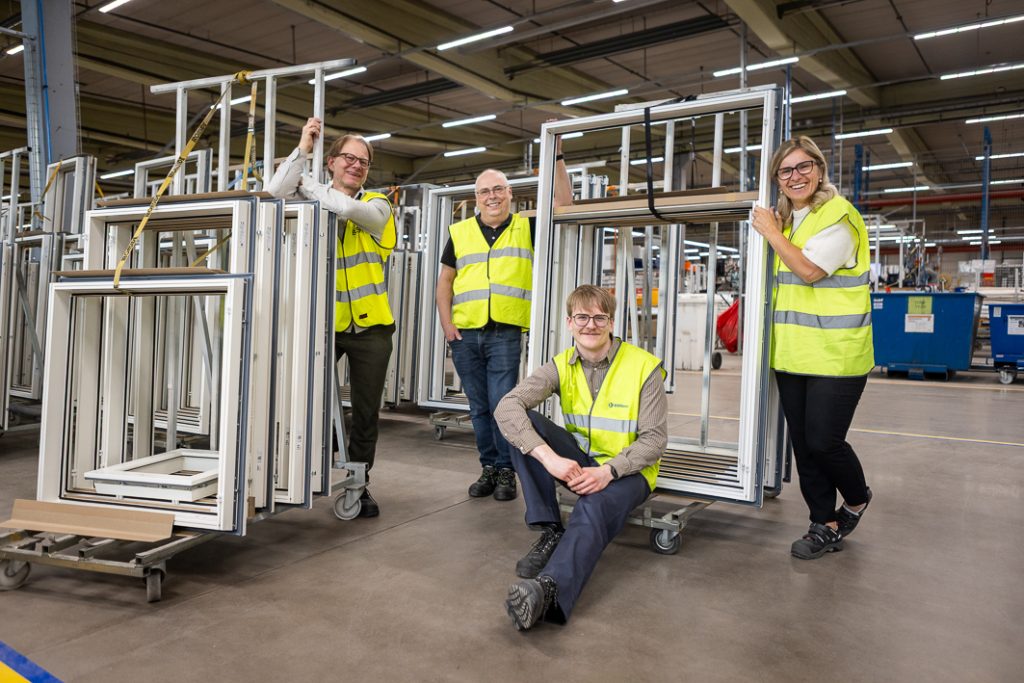
Macus Wendin, Mats Brånäs, Kasper Persson Palmqvist, and Suzana Pilipovic are part of the group that developed the tool.
How the tool was developed in close dialogue with Elitfönster
For the tool to be practically useful, the development needed to start from Elitfönster’s reality. The work therefore began by understanding the users’ needs, the product logic, and the existing working structure. In close dialogue with Elitfönster, the tool was developed step by step, with tested prototypes, adjusted functions, and an interface adapted to how the users actually work.
A tool for product development, purchasing, and sustainability decisions
The tool creates value far beyond the EPD publication itself. A major advantage is that Elitfönster can evaluate different solutions from a sustainability perspective early in the development process. This makes it possible to compare components, material choices, and supplier alternatives, and to understand how they affect the product’s climate footprint.
“We also saw that a tool would create the opportunity to evaluate the impact on the climate footprint based on choices of suppliers and materials in a fast and efficient way.”
Mats Brånäs, Elitfönster
In this way, the tool can be used as a basis for both product development and purchasing, and contribute to more sustainable decisions over time.
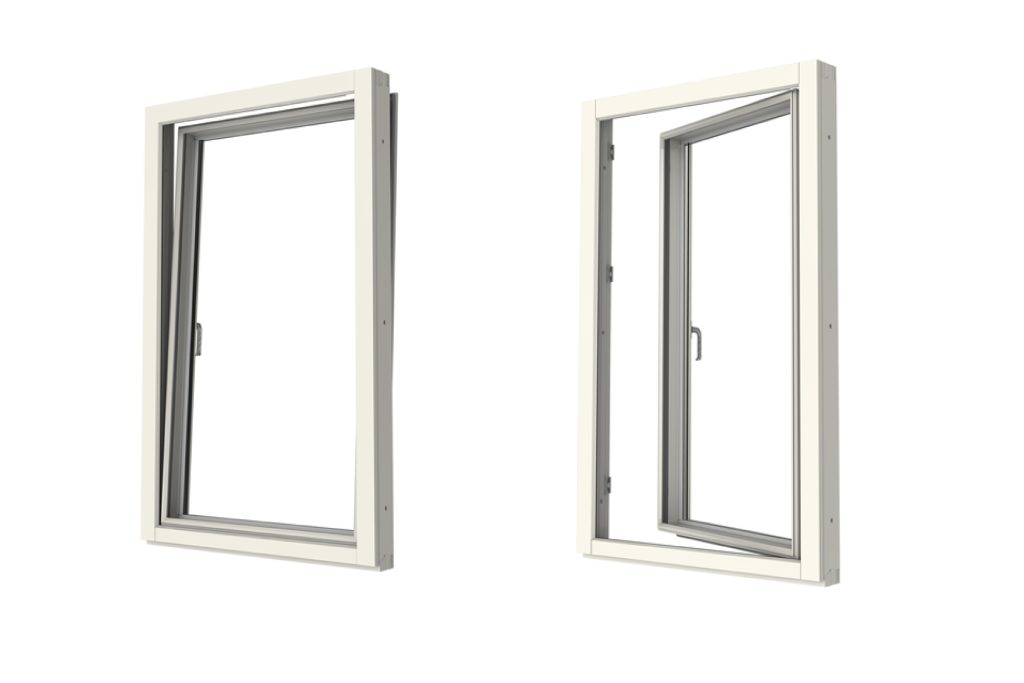
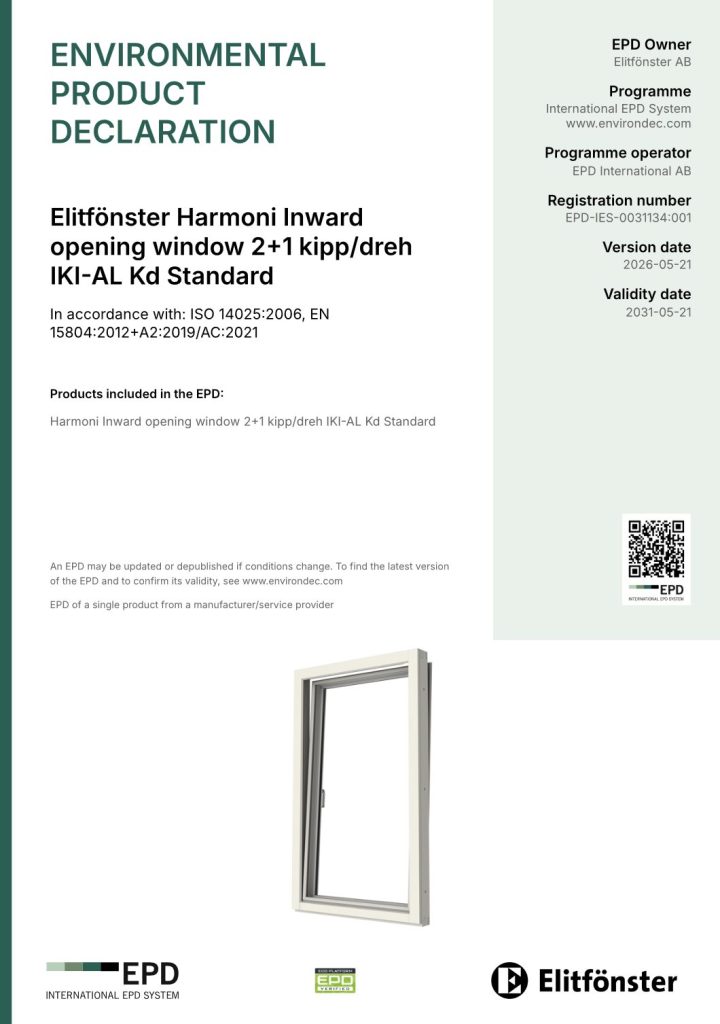
“Elitfönster Harmoni Inward opening window 2+1 kipp/dreh IKI-AL Kd Standard” and “Elitfönster Harmoni Inward opening side-hung window 2+1 IKI-AL Standard” are the first two EPDs published using the tool, in May 2026.
Quality-assured for long-term EPD work
EPD work is not only about producing new declarations, but also about keeping them updated when data changes. With a tool-based way of working, it becomes easier to adjust background data and ensure that future calculations are based on up-to-date information.
A particular strength of the solution is that the tool is fully pre-verified according to the rules of the International EPD System. This means that the tool itself has been reviewed and quality-assured, so each individual EPD does not need to be verified separately. Instead, there is a recurring review of the tool and the data on which it is based.
EPD tools as a foundation for increased sustainability competence
For Elitfönster, the tool also creates new opportunities to build knowledge internally. By being able to produce current-state analyses more quickly, compare different alternatives, and see how products and processes affect the climate footprint, sustainability work becomes more concrete and useful in more parts of the organization.
“When competence is closer to the business within our own organization, the risk of miscommunication is reduced, while at the same time creating the opportunity to improve our products and processes in a more strategic and structured way.”
Mats Brånäs, Elitfönster
EPD tools are a natural next step
Miljögiraff sees EPD tools as a natural next step for companies that want to scale up their EPD work. As the need grows, the value becomes clear: better structure, greater independence, and better conditions for meeting future EPD requirements in a continuous, efficient, and strategic way.