API-Based Sustainability Calculations
The demand for climate and environmental data is increasing rapidly — from regulations, customers, and internal governance models. At the same time, many organisations describe analyses as often resource-intensive, difficult to scale, and dependent on manual work steps in separate systems. When data is handled in several parallel flows, duplicate work, uncertainties in calculations, and limited opportunities to use the results in ongoing decision-making can easily arise.
One approach that is increasingly being discussed to address these challenges is API-based sustainability calculations. By connecting life cycle-based models to existing business systems, design tools, and product platforms, climate and environmental data can be integrated into regular processes rather than treated as a separate analysis step. This can reduce the need for manual transfers, contribute to more consistent methodological choices, and make it easier to use the same data foundation for both internal governance and external reporting.
API Solutions Using SimaPro Synergy — How It Works
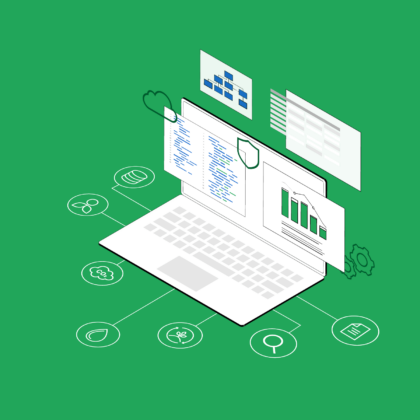
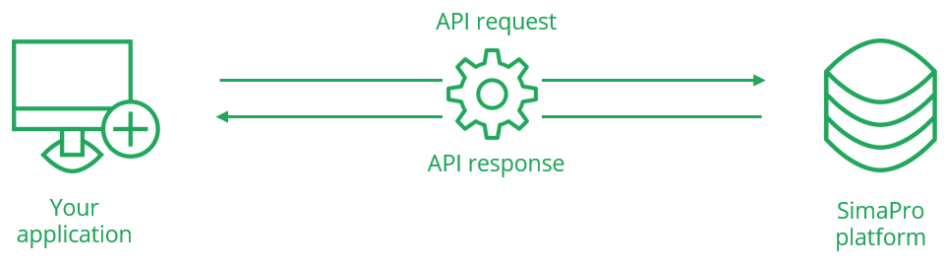
API-based sustainability calculations are often based on established LCA tools that ensure methodology, data quality, and transparency in the calculations. SimaPro Synergy functions here as a central calculation and data platform, where life cycle assessment models, assumptions, and emissions data are managed in a structured and quality-assured way. By exposing these models through API solutions, it becomes possible to automate calculations and make reliable LCA results available in other systems, without compromising the underlying methodology.
Examples of input data in companies’ existing systems that can be connected to SimaPro include:
- energy use and process data
- material choices and material quantities
- product structures or configurations
From Manual Analyses to Automated Calculations
Traditionally, environmental and climate calculations have often been time-consuming and dependent on specialist expertise. Each new product, variant, or change has required new manual analyses, making it difficult to scale the work and use the results continuously in the organisation.
With API-based sustainability calculations, the calculations move closer to the decision-making itself. Instead of being a separate analysis step, climate and environmental data can become an integrated part of the workflow.
Why Are API Solutions Becoming Increasingly Important in Sustainability Work?
One of the greatest advantages of API-based sustainability calculations is the ability to work in a scalable and consistent way. Once the calculation logic is in place, the same methodology can be used across the entire organisation, regardless of the number of products, projects, or users.
API solutions help to:
- reduce manual work, costs, and the risk of errors
- ensure consistent assumptions and calculation principles
- enable quick updates when data changes
Use Cases for API-Based Sustainability Calculations
API-based sustainability calculations are being used in more and more contexts where climate and environmental data needs to be easily accessible and up to date. Examples of use cases include:
- EPD tools
- product development, where climate impact can be tracked already in the design phase
- business systems that connect climate data to orders, purchases, or deliveries
- digital customer interfaces where users can compare different options from an environmental perspective
What they have in common is the need to handle large amounts of data and many variations without increasing the manual workload.
EPD Tools with SimaPro Synergy
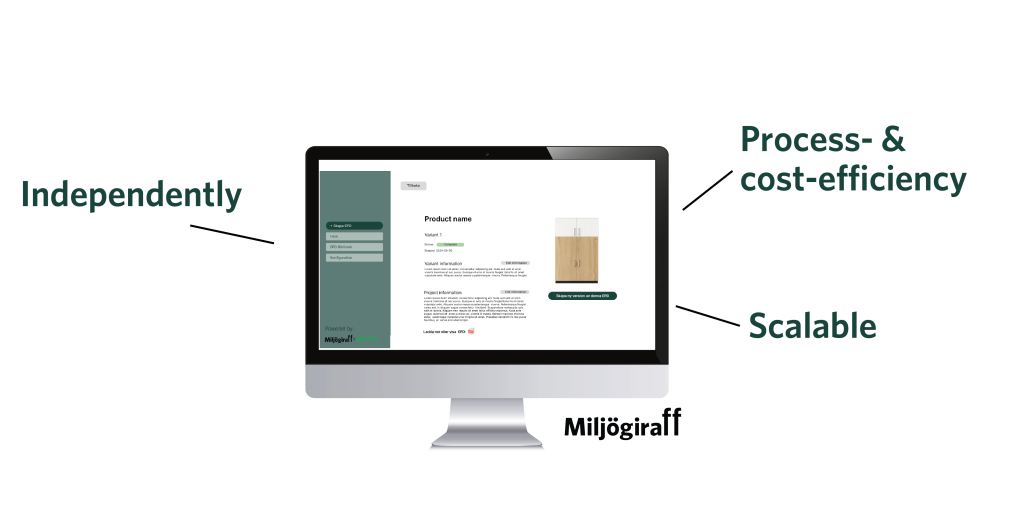
A powerful use of API solutions and SimaPro Synergy is to build custom EPD tools — Environmental Product Declaration tools. By using Synergy as the calculation engine, organisations can develop tailored solutions where LCA calculations and EPD generation are automated and integrated directly into internal systems. This makes it possible to standardise and streamline the process of creating environmental product declarations, where data is updated continuously, calculations are performed dynamically, and results can be exported according to applicable PCR requirements — without users having to manually model each individual life cycle assessment themselves. With this type of integration, companies can reduce costs, lower their dependence on external expertise, and generate EPDs at scale based on the same robust LCA models used in SimaPro Synergy.