1. Goal & Scope
We help you define goal and scope of the study.


To understand the potential environmental impact of the manufacturing and use of products, life cycle assessment (LCA) has become an established method. With a life cycle analysis, you can quantify environmental impacts and identify opportunities for improvement. The LCA method is a systematic way to model life cycles and creates a credible assessment of potential environmental effects. The results from a well-conducted life cycle assessment provide a solid foundation for the development of strategies and communication about environmental issues. By integrating the life cycle perspective into the business strategy, value can be created both in the short and long term.
For us, it is important that the results contribute to activating and motivating our clients to implement improvement measures so that it creates value. Life Cycle Assessment (LCA) is a powerful method that creates value in several ways.
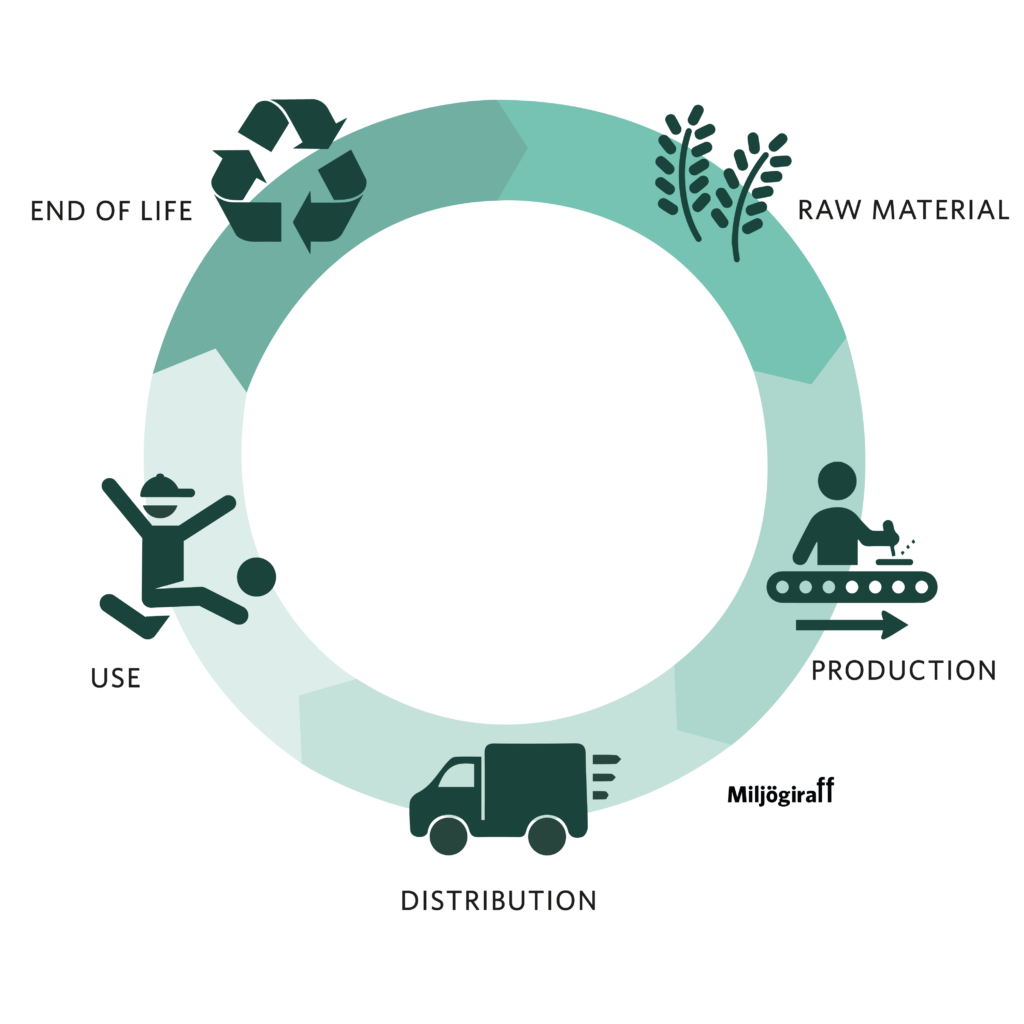
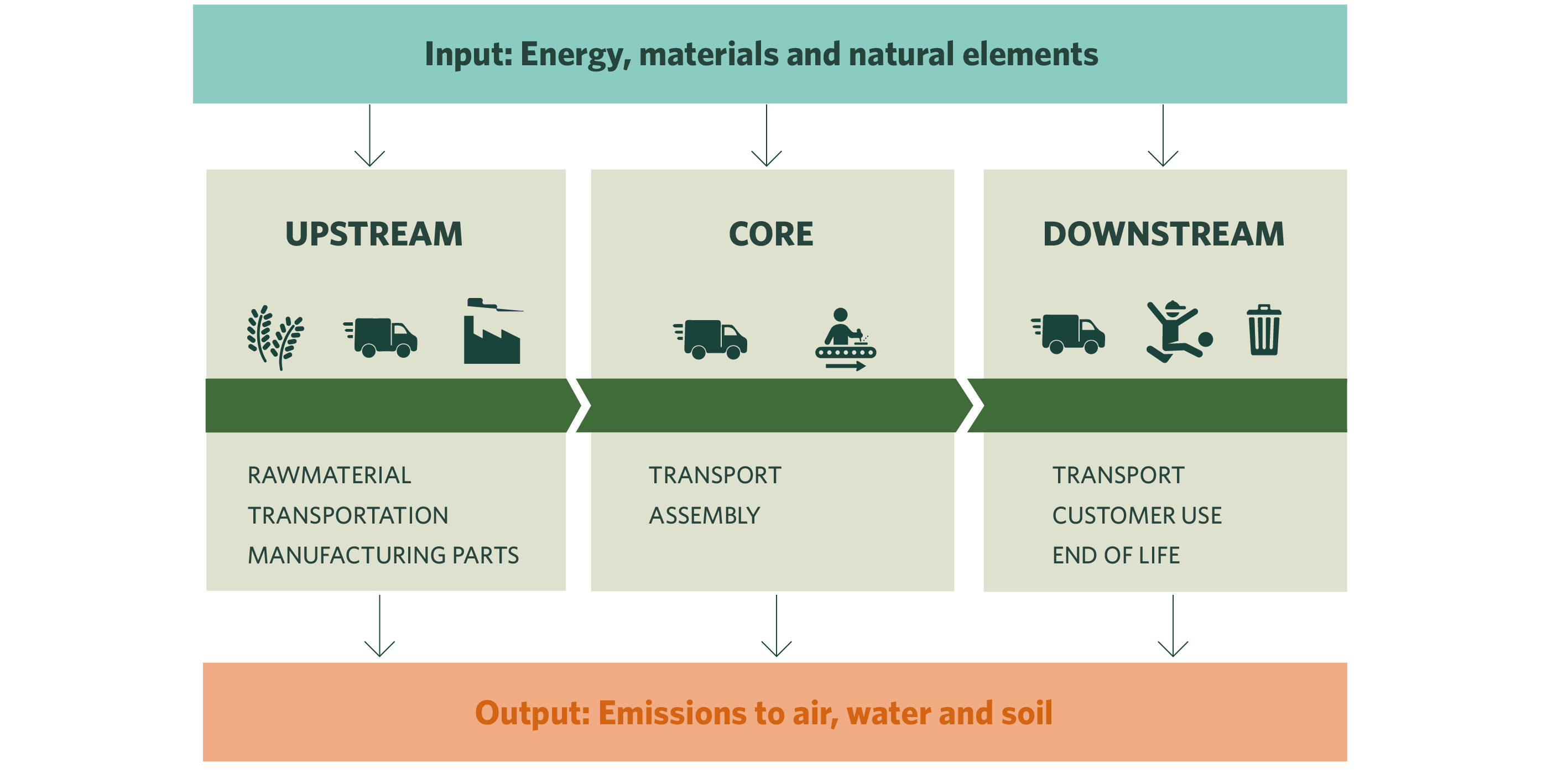
We work according to the ISO 14040 standard and conduct the analysis in four steps: defining the goal and scope, inventorying all relevant flows, evaluating and interpreting the results. First, the goal of the study is defined and which parts of the product’s life cycle are to be included. In the inventory step, relevant data about, for example, materials, energy consumption, and emissions from each part of the life cycle are identified and collected. In the environmental assessment, the contributions of different aspects to environmental impact are calculated. In the interpretation, the environmental impact and the robustness of the results are evaluated. Recommendations and conclusions about the results are then formulated.
We help you define goal and scope of the study.
We help you understand what type of data that needs to be collected.
The life cycle is modelled in SimaPro and environmental impact is calculated through multiple impact categories.

The result is shared with you. Miljögiraff interprets and verifies the results and provides recommendations.
We help you understand and activate the results, for example through presentations and interactive workshops. Great focus is on next step.

But as mentioned, life cycle assessments are not limited to products. We can help you analyze services, travel, work methods, processes, or entire organizations. What all these different types of life cycle assessments have in common is the holistic perspective.
Life Cycle Assessment (LCA) can be a complex analysis, with many parameters that influence each other. When we conducted analyses and developed EPDs for 24 types of windows for Elitfönster, for example, we calculated how much energy they save during the time the windows are in place in the building where they are installed. And for Lintex we compared various possible materials in partitions and developed a calculation model that can be used in future calculations.
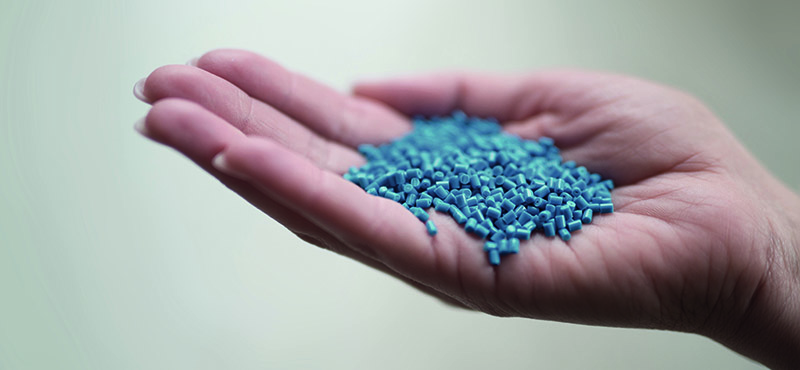
To understand the environmental impact of Polykemi’s materials, we at Miljögiraff have conducted a life cycle assessment of all the constituent polymers, additives, and pigments.
Presto’s fire protection with a take-back system
results in up to 53% less climate impact. The collaboration led to strategies for product development with new materials and insights into components.
We would be happy to tell you more about life cycle analyses and how you can create value in your business.